If you've ever posted from a new phone or laptop and watched your US reach fall off a cliff, you're not imagining things. A new device VPN social media account flagged situation is more common than most creators realize — and the platforms are not going to tell you it's happening or why. Let's break down exactly what triggers these drops and, more importantly, how to stop them before they derail your growth.
How Platforms Build a Device Fingerprint (And Why Switching Phones or Laptops Triggers a Red Flag)
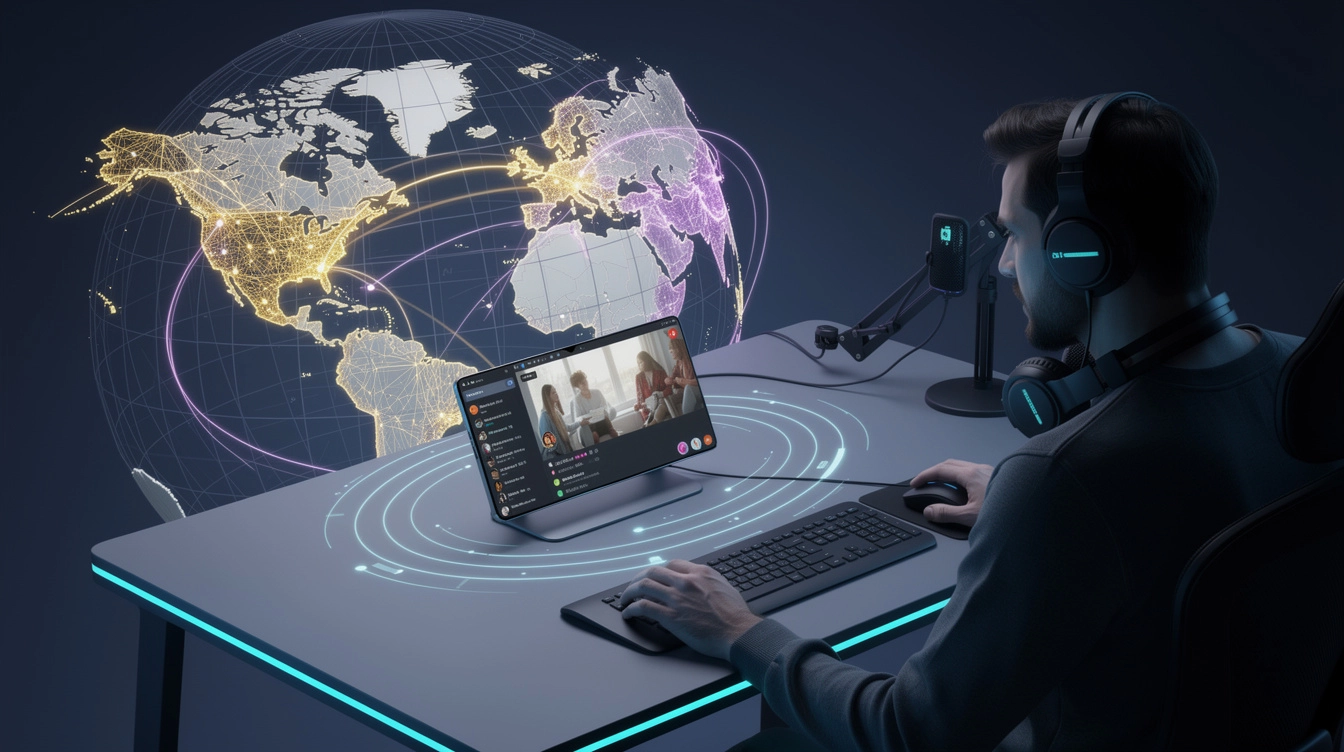
Every time you open Instagram, TikTok, or YouTube, the app quietly collects a stack of signals about your device: screen resolution, operating system version, browser or app build, language settings, time zone, and more. Together, these signals form a device fingerprint — a unique profile that the platform associates with your account over time.
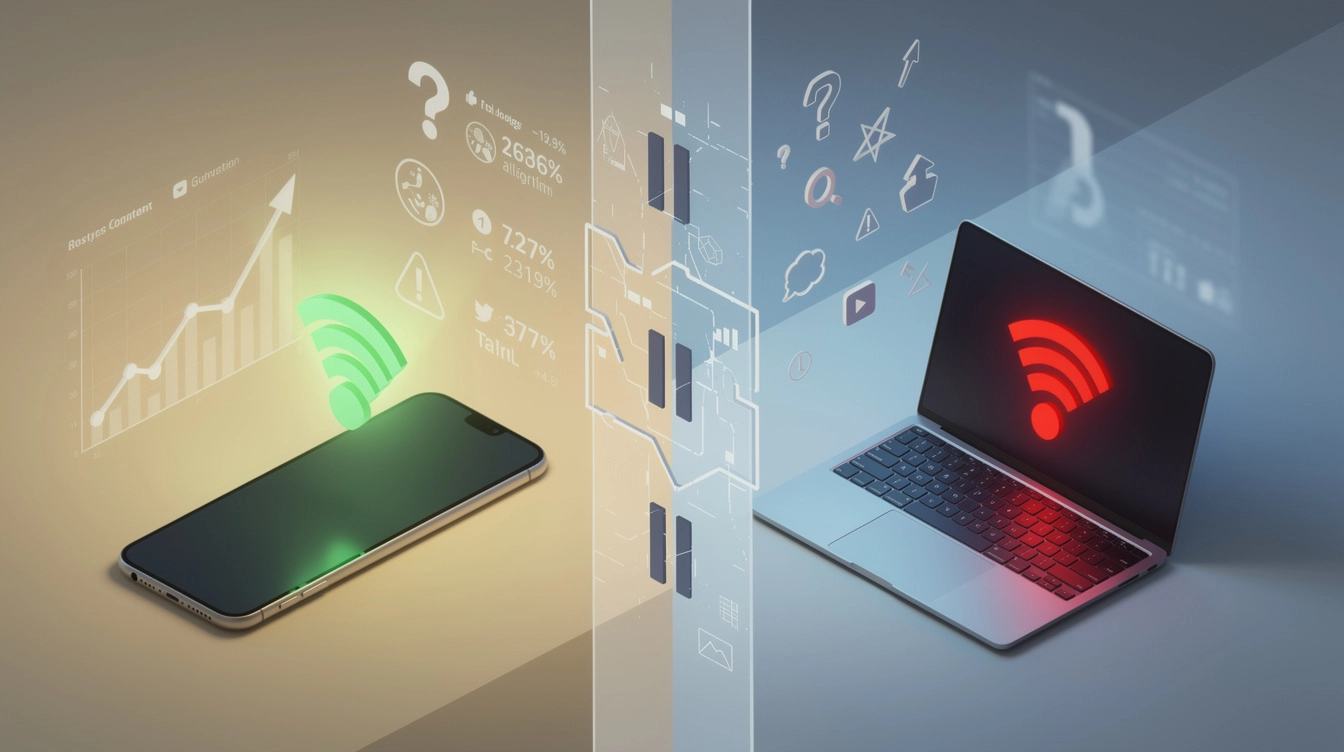
When that fingerprint suddenly changes — say, you upgraded to a new phone or started editing on a different laptop — the platform treats it as a potential account takeover or a sign that the account is being operated by multiple people across different locations. Neither is great for your standing. The algorithm does not know you just bought a new phone. It only knows the data changed, and changed data is a risk signal.
This is not a conspiracy. It is how fraud detection systems work at scale, and unfortunately for legitimate creators, the same systems catch bad actors and good ones without much distinction.
The Hidden Connection Between Device Changes, IP Mismatches, and Sudden Reach Drops
Here is where it gets compounded. A new device usually means a new network. Maybe you set up your new phone at home, at a coffee shop, or in a different city entirely. That means a different IP address — and a different geographic signal reaching the platform at the exact same moment your device fingerprint changed.
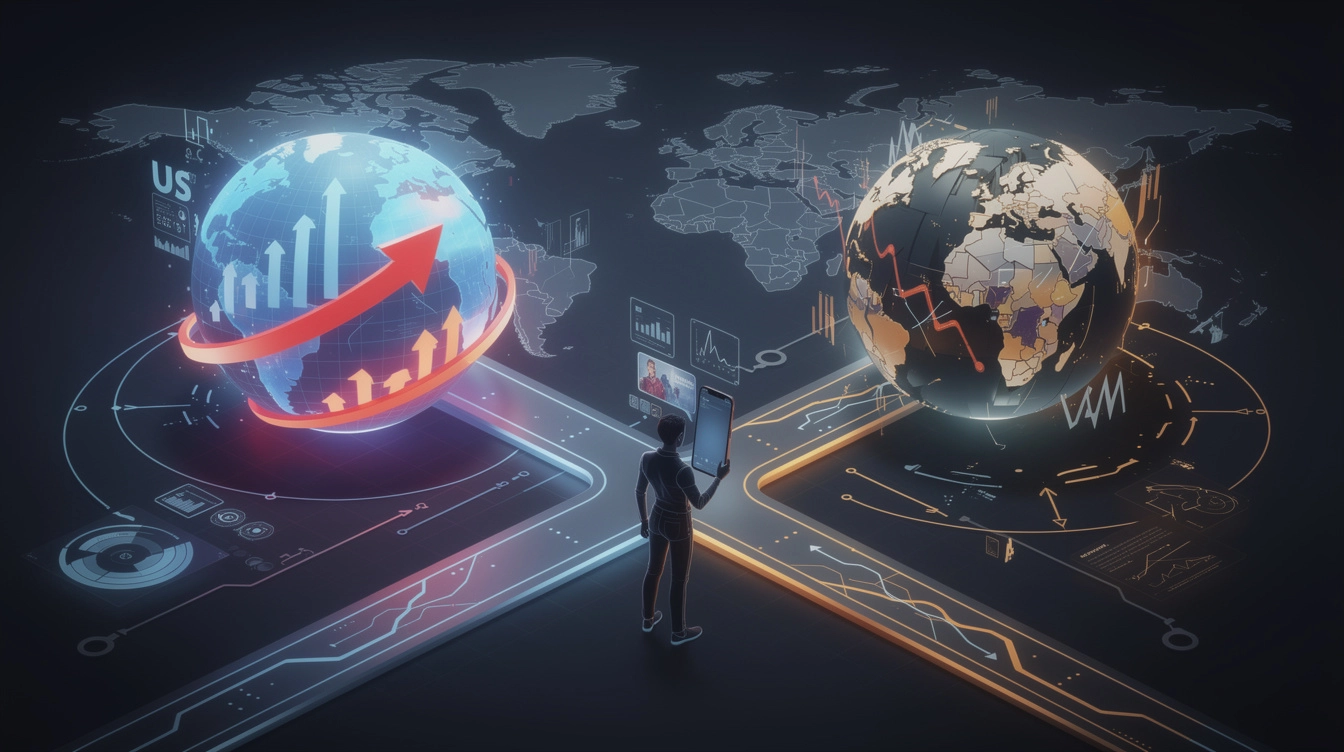
Platforms use your IP address as one of the strongest indicators of where you and your audience are located. If your account has been consistently signaling from the US — because you've been using a US-based connection — and then a new device suddenly logs in from a different country or an inconsistent location, the algorithm recalibrates. It starts questioning whether your audience is really in the US, or whether the engagement patterns it has learned about your account still apply.
The result is a reach drop that can look like a shadowban, even when your content is perfectly fine. The problem is not your post. The problem is the context surrounding it.
Break out of your local algorithm
Get a clean US IP that TikTok and Instagram actually trust. Setup takes 60 seconds.
Why a New Device Plus an Inconsistent IP Address Is the Fastest Way to Confuse the Algorithm About Your Audience
Think of it from the platform's perspective. Your account has a history: consistent device fingerprints, consistent posting locations, consistent audience engagement from US-based users. That history is what the algorithm uses to decide who to show your content to next.
When a new device VPN social media account flagged scenario unfolds — new hardware, new network, maybe even a new IP country — the platform's confidence in your established patterns drops sharply. It does not immediately wipe your history, but it hedges. It starts showing your content to a broader, less targeted audience to gather new data. In practice, that means less US reach, lower engagement rates, and a frustrating plateau that can take weeks to recover from.
The two signals — device fingerprint and IP address — need to stay consistent, especially when you introduce new hardware. If one changes, you can recover. When both change at the same time, recovery is slower and less predictable.
Looking for the simplest way to reach US audiences? VPN To US gives you a clean, consistent US IP in 60 seconds.
How to Reintroduce a New Device Without Losing Your US Geographic Signal
The goal is simple: change as few signals as possible at once. Here is how to do it without tanking your reach.
Step one: Stabilize your IP address first. Before you even log into your accounts on the new device, make sure you are connecting from the same geographic location the platform expects. If your account has been building a US audience from a US IP, your new device needs to enter the picture from a US IP as well. This is where a clean, dedicated US IP connection becomes critical — not just any VPN, but one with low-density, non-flagged IPs that platforms do not recognize as proxy traffic.
Step two: Do not log in from multiple devices simultaneously. When transitioning to a new phone or laptop, log out of the old device cleanly before making it active on the new one. Simultaneous sessions from different device fingerprints accelerate the confusion.
Step three: Keep your posting behavior consistent. Post at the same times, engage with the same types of content, and avoid any unusual activity in the first week on a new device. Give the algorithm time to re-associate your new fingerprint with your existing behavioral history.
Step four: Maintain a stable US connection going forward. This is the part most creators skip. They fix the immediate problem and then go back to posting from wherever they happen to be. The platforms are always collecting data. A stable, consistent US IP signal is not just a fix — it is ongoing protection for your geographic reach.
This is exactly where VPN To US was built to help. Designed specifically for international creators targeting US audiences, VPN To US provides dedicated, clean US IPs that platforms do not flag as suspicious proxy traffic. When you introduce a new device, keeping your IP signal consistent is the easiest variable to control — and it can be the difference between a smooth transition and a months-long recovery.
If you are serious about protecting your US reach, especially around device changes or travel, it is worth getting that connection locked in before your next post. You can get started at vpntous.com and protect your connection before the algorithm even notices the switch.
A new device VPN social media account flagged drop does not have to be your story. With the right setup, your audience never has to know you switched phones at all.