If you've noticed that your TikTok live stream US audience viewership is consistently lower than the numbers you pull on your regular videos, your IP address is almost certainly the reason — and most creators never figure this out. It's one of those invisible problems that looks like an algorithm issue, a time zone issue, or just bad luck. It's none of those things. Here's what's actually happening and how to fix it.
How TikTok Assigns Your Live Stream to a Regional Audience in Real Time
When you post a pre-recorded video, TikTok has time to evaluate it — your account history, engagement patterns, caption language, and yes, your IP address at upload — before deciding which regional feeds to push it into. There's a window of processing time that gives your content a chance to get distributed broadly.
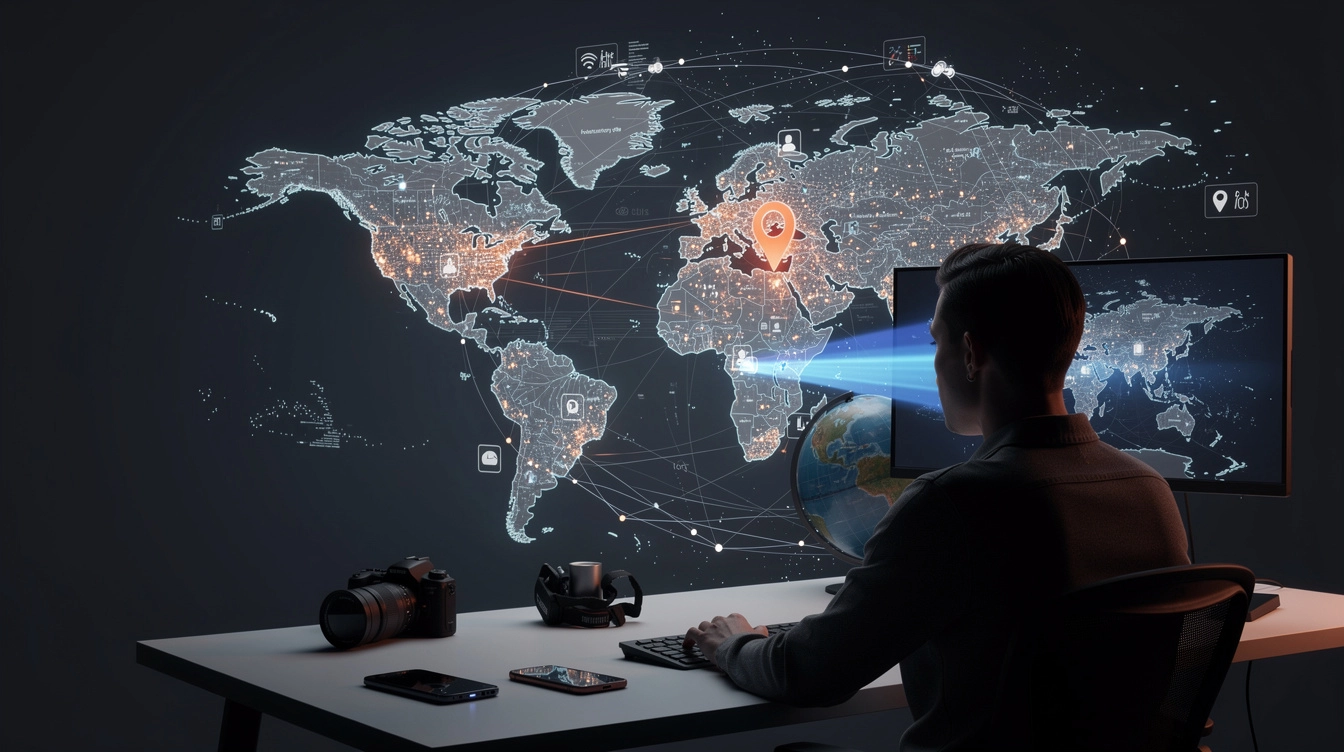
Live streams work completely differently. TikTok assigns your stream to a regional audience pool the moment you go live, based heavily on the IP address your device is broadcasting from. There is no buffer period. If your IP resolves to Southeast Asia, India, or anywhere outside the US, TikTok routes your live to viewers in that region — even if your entire follower base is American and you're speaking English to a US audience. The platform is making a real-time geographic decision, and your IP address is the primary signal it uses to make it.
Why Live Streams Are More Sensitive to IP Location Than Pre-Recorded Videos
Pre-recorded content can overcome a non-US IP through engagement signals. If a video starts getting saves, shares, and comments from US accounts, TikTok's algorithm will expand its distribution to match that audience. The content has room to prove itself.
Live streams have no such runway. Viewership is determined at the start, not earned over time. Once TikTok routes your stream to a regional pool that isn't your target audience, you're fighting an uphill battle for the entire session. Viewers who join aren't engaged because they're not the right audience. Low engagement signals to TikTok that the stream isn't performing well, which reduces the chance of it being pushed to anyone else — including US viewers who would have actually stuck around.
This is also why your regular videos might be performing well while your lives consistently underperform. The algorithm isn't penalizing you broadly. It's specifically making a location-based routing decision the moment you hit "Go Live," and if your IP doesn't match your target market, you lose before you even start.
Break out of your local algorithm
Get a clean US IP that TikTok and Instagram actually trust. Setup takes 60 seconds.
The Compounding Problem: How One Bad Live Session Can Drag Down Your Overall US Reach
Here's where it gets more serious. TikTok tracks your live stream performance as part of your overall account health. When your lives consistently generate low engagement — even if it's because the wrong audience is being served your content — that data feeds back into how the algorithm views your account.
A pattern of underperforming live streams can erode the distribution quality of your regular videos over time. TikTok is trying to optimize for what it predicts will perform well. If your live data signals weak engagement, it may become more conservative about pushing your pre-recorded content into competitive US feeds. This means the IP address problem during your live sessions isn't just a live problem — it can quietly suppress your entire account's US reach, including the videos you work hardest on.
Creators who stream regularly and wonder why their account feels "stuck" despite good video content often have this exact compounding issue working against them.
How to Lock Your IP Address to a US Location Before You Go Live
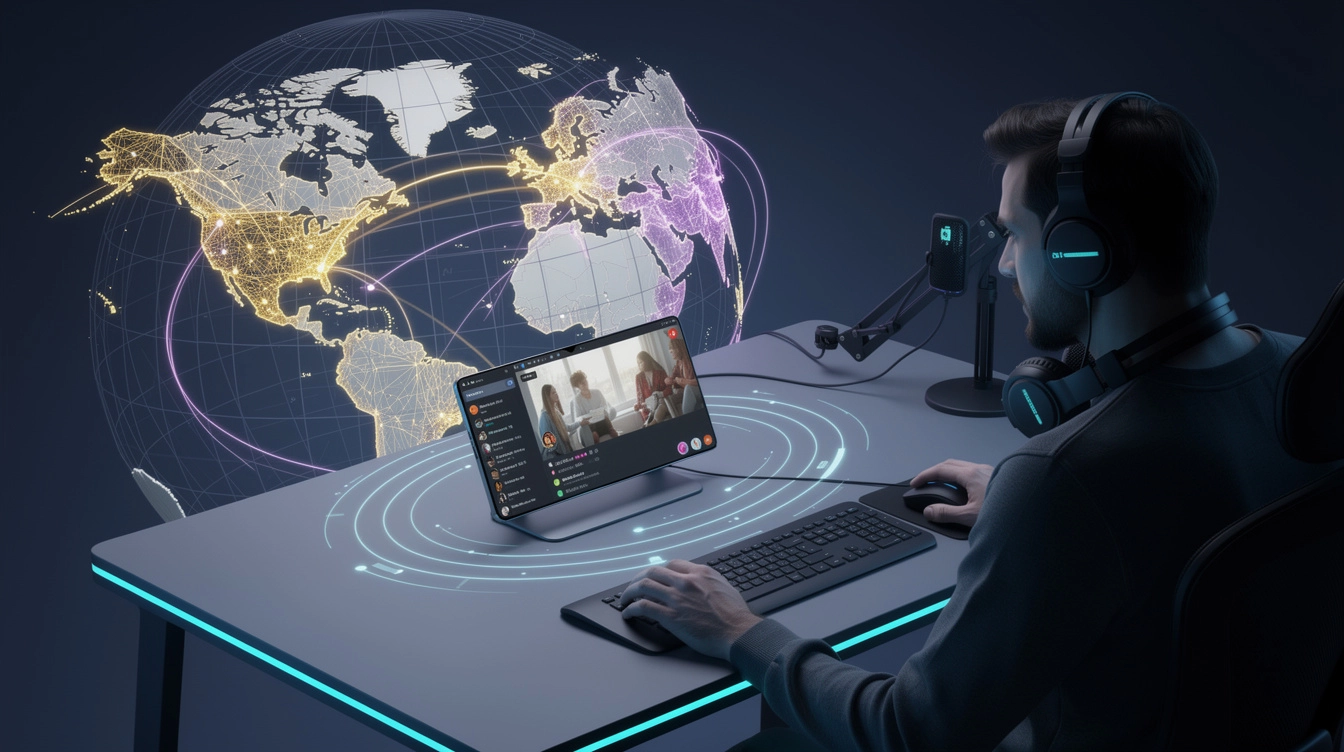
The fix is straightforward once you understand the problem. You need your device to broadcast a US IP address the moment TikTok registers your stream. That means your connection needs to be routed through a US IP before you open TikTok, before you start your live setup, and before you go live.
A few things matter here that most guides won't tell you. First, the quality of the IP address matters enormously. If you're using a widely shared VPN IP that's been flagged by TikTok's proxy detection systems, you may find your account gets shadowbanned or your content is suppressed further. TikTok, like most major platforms, maintains lists of datacenter IP ranges that are associated with VPN abuse, bot traffic, and low-quality activity. Routing your live through one of those IPs can actually make things worse.
What you need is a clean, low-density dedicated US IP — one that isn't shared across hundreds of other users simultaneously and hasn't been flagged by TikTok's detection systems. This is specifically what VPN To US is built for. Rather than pooling thousands of users onto the same IP ranges, VPN To US provides dedicated US IPs designed to look like legitimate, low-traffic connections to platforms like TikTok, Instagram, and YouTube. You can get started at vpntous.com and protect your connection before your next live session.
The practical steps are simple: connect to your US IP before opening TikTok, verify your connection shows a US location, then launch your live as normal. TikTok will read your IP at stream initialization and route your live accordingly.
Looking for the simplest way to reach US audiences? VPN To US gives you a clean, consistent US IP in 60 seconds.
Stop Losing Your US Audience Before You Even Say Hello
If your TikTok live stream US audience viewership has been consistently lower than your video performance, you now know why — and it has nothing to do with your content quality or posting time. Your IP address is determining your audience before a single viewer shows up. The solution isn't to stream more often and hope for better results. It's to fix the foundational signal TikTok uses to decide who sees you live.
Lock in a clean US IP address, go live with confidence, and let your content do what it was built to do.