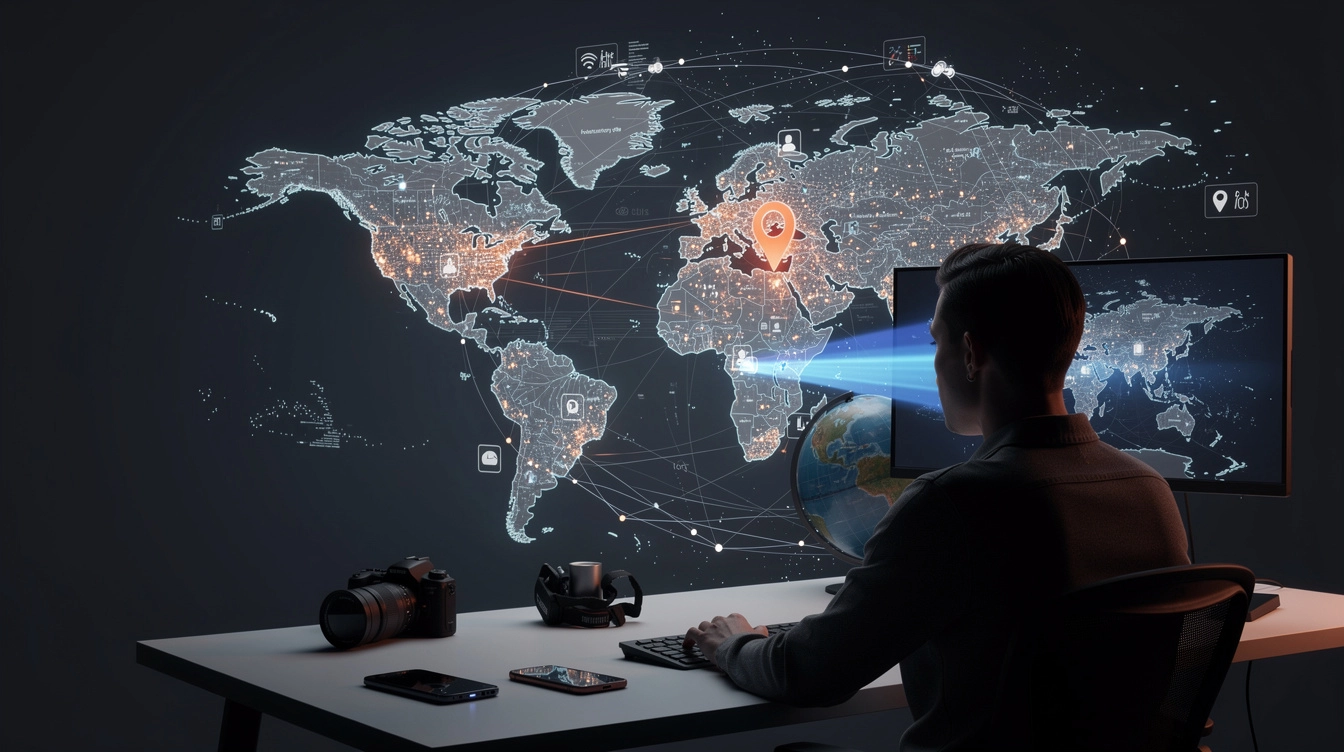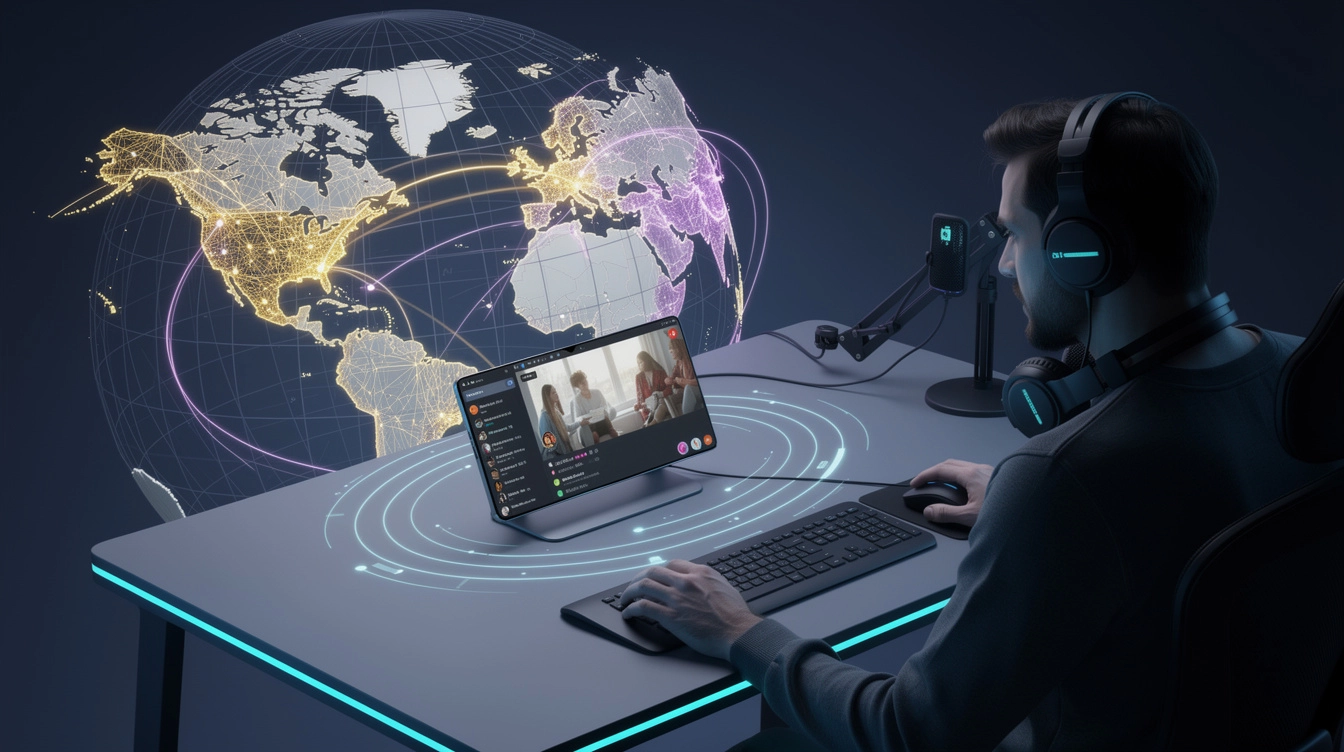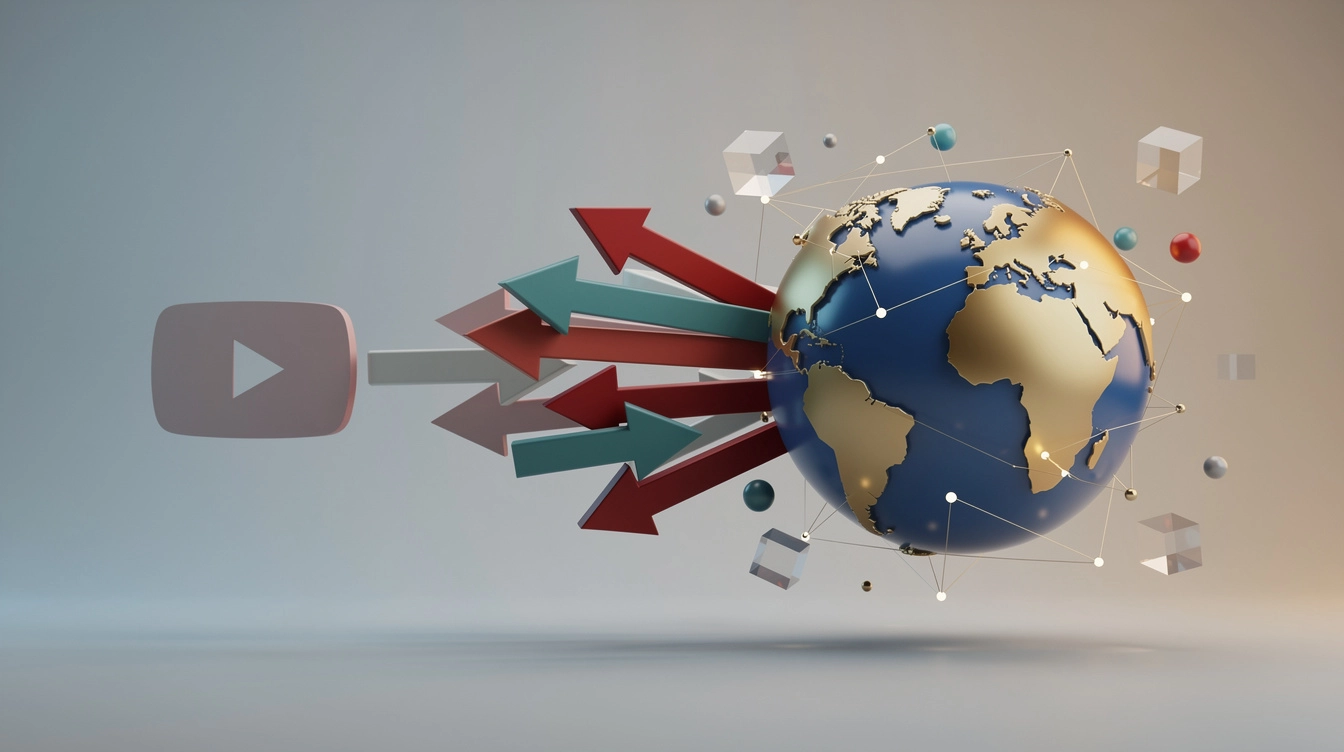
If you've ever searched for how to change your YouTube channel location for international creator growth, you already know the frustration: you're creating content aimed at a US audience, but YouTube keeps serving it to viewers back home. Your analytics show the wrong countries, your ad revenue reflects the wrong market, and your recommendations seem to loop back to a regional bubble you're trying to escape. This is not a glitch. It is YouTube's geographic identity system doing exactly what it was designed to do — and understanding it is the first step to changing it.
How YouTube Assigns a 'Home Country' to Your Channel (And Why It's Harder to Change Than You Think)
When you create a YouTube channel, the platform does not simply look at your account settings and call it a day. It builds a geographic profile of your channel over time using a combination of signals — some you control, many you do not. This profile influences where your content gets surfaced in search results, which advertisers are matched to your videos, and which viewers YouTube recommends you to next.
The frustrating part is that YouTube's location system is not a single switch. It is a weighted average of dozens of signals accumulated across your channel's lifetime. Changing your country setting in YouTube Studio is a start, but it is a small input into a much larger equation. Creators who change that setting and nothing else typically see little to no difference in their reach.
The Signals YouTube Uses to Lock Your Channel Into a Geographic Identity
Here is where it gets specific. YouTube's algorithm builds your channel's geographic identity from several layers:
Upload IP address. Every time you upload a video, YouTube logs the IP address associated with that session. If you have been uploading from Jakarta, Manila, or Lagos for two years, that pattern is baked into your channel's profile. It signals to YouTube's systems where the creator is located — and by extension, where the content originates.
Account creation and login history. The country where your Google account was created and where you log in most frequently adds another layer to your geographic fingerprint.
Early viewer history. The first few hundred or thousand views on a channel carry disproportionate weight. If your initial audience was local, YouTube's recommendation engine learned to categorize you as a local creator — and it takes consistent counter-signals to recalibrate that.
Monetization and AdSense settings. Your connected AdSense account has its own country association, which can bleed into your channel's perceived market.
None of these signals are impossible to influence. But you have to address them deliberately and consistently, not just update a dropdown menu.
Break out of your local algorithm
Get a clean US IP that TikTok and Instagram actually trust. Setup takes 60 seconds.
What Happens When Your Channel Country Doesn't Match Your Target Audience
The downstream effects of a mismatched geographic identity are real and measurable. If you are an international creator trying to reach US viewers but YouTube has categorized you as a creator from another country, here is what you are likely experiencing:
Suppressed reach in US search and recommendations. YouTube prioritizes local content for local viewers. A channel with a strong non-US geographic signal will consistently lose ground to creators YouTube has identified as US-based, even when the content quality is comparable.
Wrong ad market rates. CPM rates in the US are among the highest in the world. If your channel is being served to audiences outside the US even when you have US viewers, your effective CPM drops significantly. This is not just an inconvenience — over time, it is a meaningful income gap.
Mismatched brand deals and sponsorship interest. Brands targeting US consumers look at your audience geography before reaching out. A channel that shows 30% US viewership when it should show 70% is leaving sponsorship opportunities on the table.
Looking for the simplest way to reach US audiences? VPN To US gives you a clean, consistent US IP in 60 seconds.
How to Realign Your Channel's Geographic Identity Toward the US Without Starting Over
This is the practical part. Resetting your channel's geographic identity does not mean deleting your account or abandoning your existing subscribers. It means systematically feeding YouTube better signals over a sustained period.
Step one: Update your YouTube Studio country setting. Go to Settings, then Channel, then Advanced Settings. Set your country to the United States. This alone will not fix everything, but it is a necessary baseline.
Step two: Address your upload IP. This is the most overlooked piece. If you continue uploading from a non-US IP, you are undermining every other change you make. You need your upload sessions to originate from a consistent, clean US IP address. This is where a service like VPN To US becomes genuinely useful. VPN To US provides consistent US IPs on low-density datacenter infrastructure — meaning the IPs are not flagged or shared across thousands of users the way typical VPN IPs often are. When YouTube sees your uploads coming from a clean US IP consistently, it updates its geographic model of your channel accordingly. You can get started at vpntous.com if you want to protect your connection and start sending the right location signals from day one.
Step three: Optimize your content metadata for US discovery. Use US-centric search terms, reference US trends where relevant, and structure your titles and descriptions to match how US viewers search. This shapes your viewer history toward the audience you actually want.
Step four: Be patient and consistent. YouTube's geographic identity system is recalibrated over time, not overnight. Expect two to three months of consistent signals before you see meaningful shifts in your analytics.
Learning how to change your YouTube channel location as an international creator is not about finding a loophole. It is about understanding the signals you are already sending and replacing the ones that are working against you. Your content deserves to reach the audience it was made for. The system is adjustable — you just have to adjust it deliberately.